
- October 13, 2026
- By Jarred Berhow
- In Auto Repair Tips
- 3
- 0
The first hard freeze in the St. Croix Valley tends to arrive overnight. One evening you have a crisp drive home from New Richmond, and the next morning the windshield is iced over and the engine cranks a little slower. A few minutes of prep now beats finding problems at 6:00 AM in a dark
The first hard freeze in the St. Croix Valley tends to arrive overnight. One evening you have a crisp drive home from New Richmond, and the next morning the windshield is iced over and the engine cranks a little slower. A few minutes of prep now beats finding problems at 6:00 AM in a dark driveway.
This walk-around follows the order we use at TinJToo Auto Repair when a car, SUV, minivan or pickup truck comes in for a winter check. Start under the hood, work around the outside, then finish in the driver’s seat.
Cold weather is hard on batteries. A battery loses a big share of its cranking power as the temperature drops, while a cold engine needs more power to turn over. A battery that started fine in September can quit on the first subzero morning, so test it before winter, especially once it is three years old.
Look at the battery terminals for white or green crust, which blocks current. A slow, labored crank, headlights that dim at startup, or a battery warning light on the dash are all reasons to have the battery and alternator tested.
Oil thickens in the cold, and fresh oil of the correct viscosity reaches moving parts faster at startup. If you are close to your next service, an oil change before winter is good timing.
Tire pressure drops about 1 PSI for every 10 degrees F the temperature falls, so tires set on a warm September afternoon can be several pounds low on a January morning. Low pressure hurts traction and handling and often turns on the TPMS light. Check pressure monthly with the tires cold, using the number on the driver’s door jamb.
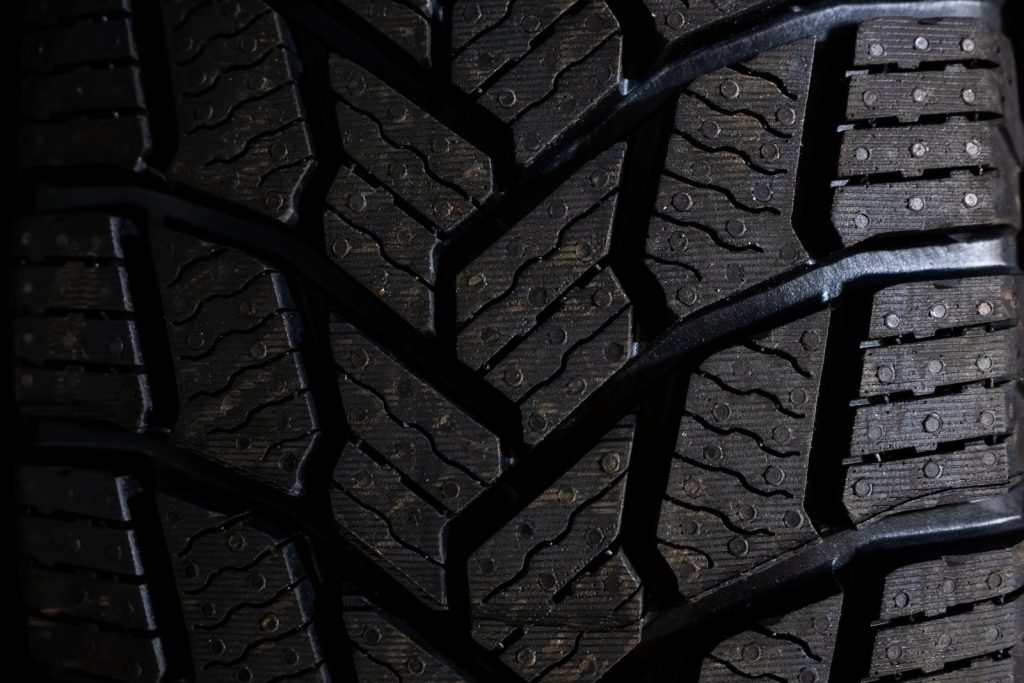
Tread depth matters even more in snow. The legal minimum is 2/32 of an inch, and that is far too little for slush. Try the penny test by putting Lincoln’s head upside down into a tread groove. If you can see all of his head, the tires need replacing. A quarter works the same way for a winter check. If the top of Washington’s head shows, you have less than about 4/32, which is thin for snow.
Winter tires use a softer rubber that stays flexible below freezing, and they make a real difference on rural county roads and early commutes. If you need new tires or a seasonal swap, our tire services page covers both.
Coolant, also called antifreeze, keeps the liquid in your cooling system from freezing and cracking the engine block or radiator. It also carries heat to the heater core that warms the cabin. Before winter, a shop can test the coolant’s freeze protection and condition in a few minutes, and you can check the overflow tank level with the engine cold.
Never open a hot radiator cap. Most vehicles call for a 50/50 mix of coolant and water, and topping off with plain water weakens the freeze protection.
Look at the hoses while the hood is up. Cold makes rubber brittle, so a hose that is cracked, swollen, or soft and mushy near the clamps is more likely to split in January. Check the drive belt too. Cracks across the ribs or a squeal on cold starts mean it is wearing out.
Expert tip: If your coolant level keeps dropping and you never find a puddle, pay attention to a sweet smell inside the car or a film on the inside of the windshield. Both can point to a leaking heater core, and that is much easier to deal with in October than on a frozen January morning.
Wiper blades harden in summer heat and cold weather, so streaks, chatter or skipped spots mean it is time for new blades before winter. Fill the reservoir with washer fluid rated for below-zero temperatures. Summer fluid or plain water can freeze in the tank and lines right when salty road spray is coating your windshield.
If you park outside, winter blades with a rubber boot keep ice out of the joints. Either way, lift the blades off the glass before an ice storm, and never run the wipers to clear ice. That tears the rubber and strains the wiper motor. Keep a spare jug of winter washer fluid in the vehicle for slushy drives on WI-64.
Your defroster is safety equipment in a Wisconsin winter. It clears fog and frost from the windshield so you can see, and it depends on a working heater, a healthy blower motor and, on most vehicles, the AC compressor, which dries the air. Test heat and defrost now, before you need a clear windshield on a frozen morning.
A heater that blows cold or only lukewarm usually points to low coolant, a thermostat stuck open, or a clogged heater core. A blower that only works on high often means a failed resistor. A dirty cabin air filter can choke airflow and leave the windows fogging up. Our heating and AC repair page explains how we track down each of these.
Expert tip: On a frosty morning, set the defroster to pull in outside air. Recirculated air holds the moisture from your breath and wet boots, so the glass fogs right back up.
Brakes are the last stop on a winter walk-around, and they matter most on ice. Listen for squealing or grinding, notice whether the pedal feels soft or pulses, and watch for pulling to one side. Fix brake problems before winter, since slick roads leave little room for a pedal that sinks or a brake that drags.
Salt season adds its own wear. Brine and slush rust brake lines and seize caliper slides over the course of a winter, which is why a fall look at the lines and hardware gives you a good baseline. Our post on road salt and your brakes covers that damage in detail. If something already feels off, schedule brake repair before the first storm.
TinJToo Auto Repair can test your battery, check coolant protection, and look over your tires, wipers, heat and brakes in one visit. A digital estimate with photos shows what needs attention now and what can wait until spring. If your days are packed, drop the vehicle off after hours and we will text you when it is ready.
We are at 170 County Hwy M, Star Prairie, WI 54026, open Monday through Friday from 8:00 AM to 5:00 PM, serving Star Prairie, New Richmond and Somerset. Call (715) 417-2844 or schedule your winter check before the first hard freeze.